Essential Professional Leather Working Tools Every Leatherworker Should Own


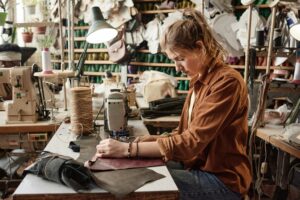
Leatherworking is a rewarding craft that combines creativity, precision, and durability. Whether creating belts, wallets, bags, holsters, or custom accessories, the quality of the finished product often depends on the tools used during the process. Professional leatherworkers rely on specialized equipment designed to improve accuracy, efficiency, and craftsmanship. Understanding the purpose of each tool can help beginners build a functional toolkit while allowing experienced artisans to refine their workflow.
Cutting Tools for Precision and Accuracy
Cutting tools are among the most important items in any leatherworking workshop. Clean and accurate cuts provide the foundation for professional-looking projects. Utility knives, head knives, rotary cutters, and precision craft knives are commonly used to shape leather pieces to meet pattern and design requirements. High-quality blades reduce tearing and ensure smooth edges, which is especially important when working with premium leather materials.
A sturdy cutting mat should accompany every cutting tool. It protects the work surface, extends blade life, and helps maintain straight, consistent cuts. Many professional leatherworkers also use metal rulers and pattern templates to achieve precise dimensions and minimize material waste during production.
Edge Finishing Equipment
Creating smooth and polished edges is a hallmark of professional leather craftsmanship. Edge bevelers remove sharp corners from leather pieces, creating a rounded profile that improves both appearance and comfort. These tools come in different sizes to accommodate various leather thicknesses and project types.
After beveling, leatherworkers often use burnishing tools to create sleek, finished edges. Wooden burnishers, canvas cloths, and specialized edge slickers generate friction that seals the leather fibers. Applying edge compounds or waxes during the process enhances durability while giving the final product a refined, professional finish.
Stitching and Sewing Tools
Hand stitching remains one of the strongest and most respected methods of leather assembly. Stitching chisels and pricking irons are used to create evenly spaced holes before sewing begins. Consistent hole placement contributes to straight stitch lines and a polished appearance.
Saddler’s needles and waxed thread are essential components of the stitching process. Professional leatherworkers frequently use saddle stitching because it creates durable seams that can withstand significant wear. Stitching ponies or stitching clamps help secure the workpiece, allowing greater control and precision during sewing operations.
Hole Punches and Slot Cutters
Many leather projects require holes for buckles, rivets, snaps, and decorative elements. Hole punches come in various shapes and sizes, including round punches, oblong punches, and drive punches. Using the correct punch ensures clean openings without damaging the surrounding leather.
Slot cutters are particularly useful when creating belt slots, strap openings, or custom hardware placements. These tools help maintain uniform dimensions across multiple projects, improving both functionality and visual consistency. Professional workshops often keep a complete range of punch sizes to accommodate diverse project requirements.
Leather Marking and Measuring Tools
Accurate measurements are essential for producing high-quality leather goods. Measuring tapes, steel rulers, wing dividers, and square rulers help ensure proper dimensions and alignment throughout the construction process. Precision measuring tools reduce mistakes and improve overall efficiency.
Marking tools such as scratch awls, silver pens, and leather marking wheels allow artisans to transfer patterns and design elements onto the leather surface. Clear and accurate markings make cutting, stitching, and assembly easier while helping maintain consistency across multiple products.
Skiving Tools for Thickness Control
Skiving involves reducing the thickness of leather in specific areas to create smoother folds, cleaner seams, and more professional finishes. Skiving knives are designed to remove thin layers of material with precision, making them essential for wallets, bags, and other projects that require layered construction.
Professional leatherworkers often use specialized skiving machines for larger production environments. These machines provide consistent results and save significant time when processing multiple pieces. Whether performed by hand or machine, skiving contributes greatly to the flexibility and appearance of finished leather goods.
Stamping and Tooling Equipment
Decorative tooling allows leatherworkers to add unique designs, textures, and patterns to their creations. Stamping tools are available in countless styles, enabling artisans to create everything from simple borders to intricate floral artwork. A quality mallet or maul is necessary to strike stamps effectively without damaging the tools.
Tooling leather requires proper preparation, including casing the leather with moisture before carving and stamping. Swivel knives are commonly used to create detailed cuts that serve as guides for decorative impressions. Together, these tools provide endless opportunities for customization and artistic expression.
Rivet, Snap, and Hardware Installation Tools
Many leather products rely on hardware for strength and functionality. Rivet setters, snap setters, and grommet installation tools help secure metal components accurately and consistently. Proper installation ensures that hardware remains firmly attached during everyday use.
Professional-grade setting tools reduce the risk of damaging leather surfaces or deforming hardware components. Many leatherworkers invest in hand presses that simplify repetitive hardware installation tasks while improving efficiency and consistency across large production runs.
Workbenches and Organizational Equipment
A well-organized workspace significantly improves productivity and craftsmanship. A sturdy workbench provides a stable foundation for cutting, stitching, tooling, and assembly tasks. Many professional leatherworkers customize their benches with storage compartments, tool racks, and dedicated work zones.
Tool organization systems help keep frequently used equipment accessible and protected. Proper storage prevents damage to blades, punches, and specialty tools while creating a safer and more efficient working environment. Investing in workspace organization can enhance workflow and support long-term success in leatherworking.
Choosing Quality Leatherworking Tools
Selecting high-quality tools is a worthwhile investment for anyone serious about leathercraft. Durable equipment delivers better performance, greater accuracy, and longer service life. While premium tools may require a higher initial investment, they often provide superior results and reduce replacement costs over time.
Beginners should focus on acquiring essential tools first, gradually expanding their collection as skills and project complexity increase. Building a reliable toolkit based on quality and functionality creates a strong foundation for developing professional-level leatherworking expertise.
Professional leatherworking requires a combination of skill, patience, and the right equipment. From cutting and stitching tools to edge-finishing, hardware installation, and decorative-tooling equipment, each tool serves a specific purpose in creating durable and attractive leather goods. Understanding these essential tools helps leatherworkers improve craftsmanship, increase efficiency, and achieve professional results in every project. By investing in quality equipment and learning proper techniques, artisans can elevate their leatherworking capabilities and produce exceptional handmade products.