Building the Perfect Leathercraft Workshop: Tools That Bring Ideas to Life


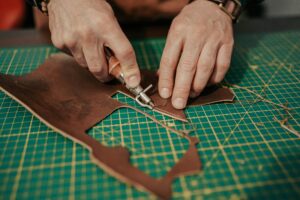
Leathercraft combines creativity, patience, and practical skill to transform a simple piece of leather into something useful and beautiful. Whether you create wallets, belts, bags, journal covers, or custom accessories, having the right leathercraft tools can make your work more accurate and enjoyable. A serious leathercrafter does not need a huge workshop filled with expensive equipment. Instead, the goal is to build a dependable collection of tools that supports every important stage of the crafting process.
Start With a Solid Cutting Foundation
Cutting leather is one of the most important parts of any project. Even a small cutting mistake can affect the finished piece’s shape, fit, and appearance. A sharp leather knife or utility knife gives you better control and helps create clean edges. Some leathercrafters also prefer rotary cutters for patterns or thinner materials.
A strong cutting mat protects your workbench and provides a stable surface. Pairing it with a durable metal ruler makes straight cuts much easier. The key is not simply owning a good blade but maintaining it properly. Sharp blades require less force and provide greater control, improving both safety and precision.
Improve Precision With Measuring Tools
Accuracy is essential in leathercraft. Small measurement errors can cause panels to fit poorly or stitching lines to look uneven. Keep a reliable ruler and measuring tape close at hand when preparing a project.
A wing divider is particularly useful for creating consistent borders and marking stitch lines. An awl can also make precise marks on leather without leaving the wide, obvious lines that a pencil might create. Taking a few extra moments to measure and mark carefully can save considerable time during assembly.
Create Clean Holes for Professional Stitching
Hand stitching gives leather goods a distinctive appearance, but attractive stitching starts with properly prepared holes. Pricking irons and stitching chisels allow crafters to create evenly spaced openings along the leather. Consistent spacing helps produce straight, professional-looking stitches.
A dependable mallet is necessary when driving punches and chisels through leather. The surface underneath the project matters as well. Using a suitable cutting board or punching pad helps absorb impact while protecting your tools and workbench. Good punching technique also reduces unnecessary damage to the leather.
Make Hand Stitching More Comfortable
Stitching can take considerable time, especially when creating larger leather goods. A stitching pony holds the work securely and keeps the leather positioned correctly while you sew. This keeps both hands free to control the thread and needles.
Strong leather needles and quality waxed thread are also important. The thread should match the project’s thickness and style while staying strong enough for everyday use. Consistent thread tension is easier to achieve when you hold the leather firmly, making a stitching pony a valuable addition to a serious workshop.
Give Leather Edges a Finished Appearance
Professional leatherwork is often recognized by its small details, and finished edges are among the most noticeable. After cutting, leather edges may appear rough or uneven. An edge beveler can remove the sharp corner and create a more refined profile.
Burnishing tools can then smooth and polish the edge. Depending on the leather type and desired finish, you may use water, wax, gum, or another suitable edge treatment. Edge finishing requires patience, but it can dramatically improve the appearance and feel of handmade leather goods.
Handle Hardware With Confidence
Many leather projects require hardware to provide both function and style. Belts need buckles, bags may require snaps or rivets, and other projects can benefit from eyelets or screws. Installing these components correctly requires the appropriate setting tools.
A quality mallet and properly sized hardware setters help prevent dents, scratches, and loose fittings. Use tools designed for the specific hardware you’re installing, because the wrong equipment can damage both the metal component and the surrounding leather.
Keep the Workshop Comfortable and Organized
An effective leathercraft workshop is more than a collection of tools. The work environment can greatly affect productivity and accuracy. A stable workbench provides the support needed for cutting, punching, stamping, and assembly. Good lighting is equally important because many leathercraft tasks involve small holes, fine stitches, and detailed markings.
Organization also saves time. Keeping frequently used tools within easy reach allows you to focus on the project instead of constantly searching for equipment. Simple storage solutions can help protect sharp blades and delicate tools while keeping the workspace clean.
Invest in Tools That Support Your Craft
Building a leathercraft workshop should be a gradual process. Buying every available tool is rarely necessary, especially when you are still developing your techniques. It is usually more practical to invest in dependable equipment that you will use regularly.
As your skills and projects advance, you can add specialized tools that match your preferred techniques. The best workshop is not necessarily the one with the most equipment. It is the one where every important tool serves a purpose and helps the crafter work with greater confidence.
The right leathercraft tools can turn difficult tasks into manageable ones and help transform creative ideas into polished handmade products. With reliable equipment, an organized workspace, and consistent practice, leathercrafters can improve their precision, efficiency, and finishing quality while developing a workshop that grows alongside their skills.