Elevating Handmade Leathercraft Through Design Choices


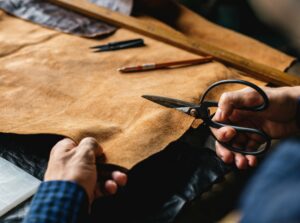
Handmade leathercraft combines creativity, skill, and careful planning to create useful products with lasting appeal. Every choice, from leather texture to stitching style, affects the final result. However, good craftsmanship involves more than using quality materials. It also requires thoughtful design that balances beauty, comfort, and function. By making smart design choices, leatherworkers can create products that stand out without losing their practical value. Moreover, simple changes in shape, color, and detail can improve the overall look of a finished piece. Understanding these design principles helps makers develop their skills, express their personal style, and create leather goods that people enjoy using for years.
Understanding the Role of Design in Leathercraft
Design plays a major role in shaping the quality of handmade leather goods. Before starting a project, makers should consider how the product will look and function. For example, a leather wallet needs enough space for daily items without feeling too bulky. Likewise, a handbag should offer comfort while keeping its shape. Therefore, good design begins with understanding the needs of the person who will use the item.
In addition, every design element should support the product’s main purpose. Extra pockets, decorative stitching, and metal details can improve a piece when they serve a clear need. However, too many features may make the design feel crowded. A simple, focused approach often creates a stronger visual result. As a result, makers can produce elegant leather goods that combine useful features with a clean appearance.
Choosing Quality Leather for Better Results
The type of leather affects the strength, texture, and style of a finished product. So choosing the right material is an important part of handmade leathercraft. Firm leather often works well for structured bags, belts, and cases. Meanwhile, softer leather can provide more flexibility for items that need a gentle feel. Makers should study the thickness, surface, and grain before selecting material for a new project.
Leather quality also affects how a product changes with use. Some leather develops a rich patina as it ages, adding character. Other types maintain a more even appearance with proper care. Therefore, makers should think about how the material will look over time. Testing small pieces before cutting also helps prevent waste. Careful material choices create a strong foundation for attractive and durable leather products.
Creating Balance Through Shape and Proportion
Similarly, spacing affects the overall appearance of leather goods. Even margins and well-placed seams help create a clean look. Before cutting, makers can use paper patterns to check how the parts relate to one another. This process allows them to adjust the design without wasting expensive material. As a result, each section fits better with the others. Balanced shapes also make handmade leather products feel more thoughtful and professional.
Shape and proportion help determine whether a leather product looks balanced. Even a simple wallet can appear more refined when its edges, corners, and panels work together. For this reason, makers should think carefully about each part’s size. A large pocket on a small bag may look awkward, while narrow straps may feel weak against a wide body. Good proportions create a more pleasing and useful design.
Using Color and Texture to Build Visual Appeal
Color can change a leather product’s mood and character. Classic shades, such as brown, black, and tan, often create a timeless look. However, deeper greens, rich blues, and warm earth tones can add personality. When choosing colors, makers should consider the product’s purpose and the tastes of its users. Therefore, a clear color plan helps create a design that feels consistent and attractive.
Texture adds another layer of interest to leathercraft. Smooth leather offers a clean finish, while textured surfaces can create depth and contrast. For example, a smooth body with a textured strap may give a handbag a distinct look. However, makers should avoid mixing too many textures in a small space. Instead, they can choose a main texture and use small accents for variety. This approach supports a balanced and elegant design.
Improving Function Through Thoughtful Design Choices
Beautiful leather goods should also make daily tasks easier. A product may look impressive, but users may lose interest if it feels uncomfortable or difficult to handle. Therefore, makers should place function at the center of their design process. Wallets need easy access to cards, while bags need practical storage and secure closures. Simple design decisions can make each product more comfortable and enjoyable to use.
Moreover, careful planning can improve the strength and life of leather goods. Stress points, such as handles and strap connections, need extra attention. Makers should also consider how often users will open, close, or carry the item. This helps them choose suitable construction methods and reduce common wear problems. When beauty and function work together, handmade leathercraft offers greater value and a better user experience.
Enhancing Craftsmanship With Stitching and Edge Details
Stitching can serve both a practical and decorative purpose in leathercraft. Strong seams help hold the product together, while neat stitch lines improve its appearance. Therefore, makers should choose thread colors and stitching styles that support the overall design. Matching thread creates a subtle look, while contrast stitching can highlight important features. However, careful spacing and steady tension matter more than decoration alone.
Edge finishing also strongly affects the final result. Rough edges can make even a well-designed product seem unfinished. In contrast, smooth edges create a cleaner and more refined appearance. Depending on the leather, makers may use burnishing, edge paint, or other suitable methods. Consistent finishing across the entire product also helps maintain visual balance. These small details demonstrate care and strengthen the overall quality of handmade leather goods.