Through the Lens: How Travel Photography Changes the Way You See a Destination


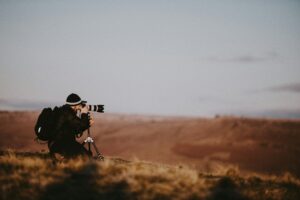
Travel is often about seeing new places, meeting different people, and experiencing moments that are far from everyday life. While many travelers take photos simply to remember their trips, travel photography can do much more than preserve memories. It can change the way you understand and experience a destination. Looking through a camera lens encourages you to slow down, notice small details, and connect with the culture and people around you. In many ways, travel photography can transform an ordinary trip into a deeper visual journey.
Photography Encourages You to Slow Down
Travel can sometimes feel rushed. You may move from one attraction to another, follow a busy schedule, and try to see as much as possible in a short time. Photography changes this pace by encouraging you to stop and observe.
When you are searching for the right photograph, you may notice the way sunlight falls across an old building, the colors of a local market, or the expression of someone enjoying a quiet moment. These details are easy to miss when you are focused only on reaching your next destination.
Taking photos gives you a reason to pause. Instead of simply passing through a place, you begin to look at it more carefully. This slower approach can make your travel experience feel more meaningful and personal.
You Start Noticing the Small Details
Popular landmarks are often the first things travelers photograph, but some of the most memorable images can come from ordinary scenes. A busy street, a weathered doorway, a local meal, or a bicycle leaning against a wall can tell an interesting story.
Travel photography trains your eyes to look beyond major attractions. You begin noticing textures, colors, patterns, shadows, and everyday activities. These small details can reveal the character of a destination in ways that a famous landmark cannot.
For example, photographing a local neighborhood may show how people actually live, work, shop, and spend their free time. These simple scenes can help you understand the personality of a place on a deeper level.
Photography Helps You Connect With Local Culture
A camera can also encourage meaningful interactions with local communities. When you show interest in photographing a place or activity, people may share stories, traditions, or personal experiences with you.
Of course, respectful photography is important. Asking permission before photographing people, especially in personal or sensitive situations, shows consideration for local customs and individual privacy. When photography is approached with respect, it can become a way to build connections rather than simply capture images.
These conversations can add context to your photographs. Instead of remembering only what a place looked like, you may also remember the story behind the image and the person who helped you understand it.
You See Familiar Places From New Angles
Travel photography also changes how you look at well-known attractions. A famous building may look completely different depending on the time of day, weather, perspective, or surrounding environment.
Instead of taking the same photograph everyone else takes, you may experiment with different angles and compositions. You might photograph a landmark reflected in a window, framed by a narrow street, or surrounded by everyday life.
This creative process encourages curiosity. You stop asking only, “What should I see?” and start asking, “How else can I see it?” That change in perspective can make even familiar destinations feel fresh.
Photography Makes You More Aware of Light and Time
Light plays a major role in photography, and paying attention to it can change your experience of a destination. Early morning light can make streets feel peaceful, while evening light can create a warm and lively atmosphere.
Because photographers often think about light, they may explore places at different times instead of visiting only during the busiest hours. This can reveal different sides of the same destination.
Weather can also become part of the experience. Rain, fog, clouds, and changing sunlight may create photographs that feel more emotional and authentic. Instead of seeing bad weather as a problem, you may begin to see it as an opportunity to experience a place differently.
Your Memories Become More Personal
Photographs do more than show where you have been. They can preserve how a destination felt to you. A photograph of a quiet street may bring back the sound of nearby music. An image of a local meal may remind you of a conversation at the table.
When you take photographs with intention, your collection becomes a visual record of your personal experience. The images are connected to emotions, sounds, people, and moments that may not be visible in the frame.
This makes travel photography especially valuable over time. Years after a trip, a single image can bring back details that you might otherwise forget.
Photography Can Change What You Look for When Traveling
Once photography becomes part of your travel experience, you may begin planning trips differently. Instead of focusing only on major attractions, you may become interested in neighborhoods, local traditions, natural landscapes, architecture, food, and everyday life.
This broader curiosity can lead you away from predictable experiences and toward more personal discoveries. You may spend more time walking, observing, and exploring without a strict plan.
Travel photography ultimately changes the traveler as much as it changes the photographs. It teaches patience, curiosity, observation, and appreciation. By looking more carefully through the lens, you may discover that a destination is not simply a place to visit. It is a collection of stories, details, people, colors, and moments waiting to be noticed.