From Scraps to Masterpiece: Upcycling Leather Into Useful Goods


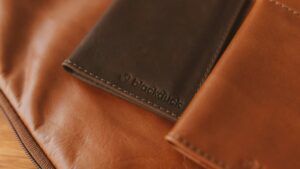
Leather is often seen as a luxury material, yet leftover pieces frequently go to waste. Instead of tossing these remnants, creative individuals and artisans have discovered ways to transform them into functional, stylish items. Upcycling leather not only reduces waste, but it also gives you unique pieces that carry a story.
Turning Leather Scraps Into Something New
Upcycling leather starts with a vision. Even small pieces of leather can become wallets, keychains, or patches for bags. By examining the shape, thickness, and texture of your scraps, you can decide which items to create. Softer leather scraps are ideal for pouches or small accessories, while thicker scraps work well for coasters or sturdy key fobs.
Planning your project carefully ensures that every scrap has a purpose. Begin by sorting your leather pieces by color, thickness, and texture. This approach makes it easier to select the right scrap for the right item, preventing wasted effort.
Choosing the Right Tools and Supplies
To create quality upcycled leather goods, you need proper tools. Essential items include a cutting mat, sharp scissors or rotary cutters, leather glue, needles, and thread designed for leatherwork. A ruler and pen for marking measurements will help maintain precision.
While some projects require stitching, others may only need glue or rivets. For instance, a simple leather bookmark can be glued, while a small wallet needs hand stitching for durability. Having the right tools ensures your creations are long-lasting and professional-looking.
Creative Ideas for Upcycling Leather
Leather scraps are surprisingly versatile. You can make small accessories like bracelets, earrings, and wallets that carry both style and function. For home use, consider coasters, bookmarks, or decorative wall hangings. Even furniture details, such as leather handles for drawers or chair accents, can be crafted from leftovers.
Leather patches can refresh old jackets or bags, giving them a new life. You can even combine multiple small scraps into a patchwork design, creating something unique. Experimenting with color, texture, and shape can transform what seems like waste into a masterpiece.
Stitching Techniques That Make a Difference
Proper stitching holds your leather together and adds character. Hand stitching allows for precision and artistic patterns, while machine stitching speeds up production for larger projects. The saddle stitch is popular among leather crafters because it is strong and attractive.
Using contrasting thread colors can also enhance the aesthetic appeal. For example, a dark leather piece stitched with bright thread creates a visually striking accessory. Even simple stitches, when done carefully, can make your upcycled leather items look professional and polished.
Finishing Touches for a Polished Look
Finishing touches elevate the final product. Edge finishing, such as burnishing or applying edge paint, creates a smooth look. Leather conditioners and oils maintain flexibility and shine while preventing cracks. Small embellishments like metal rivets or decorative stamps can add personality.
Attention to these details ensures that your upcycled leather items feel intentional and high-quality. A well-finished edge or carefully applied conditioner can make the difference between a temporary project and a lasting, cherished creation.
Benefits of Upcycling Leather
Upcycling leather brings many advantages. First, it reduces environmental impact by keeping waste out of landfills. Second, it provides a cost-effective way to make one-of-a-kind items. Third, it can even become a small business opportunity if you sell your creations online or at craft fairs.
For hobbyists, upcycling leather allows experimentation with design and technique, which improves crafting skills over time. You gain both a practical skill and a creative outlet, making the process as rewarding as the finished product.
Sourcing Leather Scraps
Finding quality leather scraps is easier than you might think. Local leather shops, upholstery businesses, and craft stores often sell offcuts at reduced prices. Online marketplaces provide access to a variety of leather types and colors.
By collecting diverse scraps, you expand your creative options. Different textures, thicknesses, and colors enable more complex projects like patchwork bags or multi-layered accessories. Keeping a small collection of leather scraps on hand also allows you to create spontaneously without needing to source material each time.
Tips for Beginners
If you are new to upcycling leather, start with small projects. Simple items like bookmarks, keychains, or coin pouches allow you to practice cutting, stitching, and finishing without committing to complex designs.
Follow tutorials, watch videos, and experiment with different techniques. Over time, you will develop confidence and discover your unique style. Keep mistakes in mind as learning opportunities—each error teaches a new way to handle leather.
Combining Leather With Other Materials
Leather can be combined with other materials for more creative projects. Pairing leather with fabric, wood, or metal can create unique bags, notebooks, or home accessories. For example, a leather and wooden key holder combines durability with natural beauty.
This approach also helps use irregular scraps that might not be sufficient on their own. By creatively pairing leather with other materials, you expand the range of items you can produce and enhance their visual appeal.
Maintaining Your Upcycled Creations
Leather is durable but requires care to last. Avoid prolonged exposure to water and direct sunlight. Regularly apply conditioner to prevent dryness and cracking. Store items in cool, dry places, and clean with a damp cloth when necessary.
Proper maintenance ensures that your upcycled leather goods remain functional and beautiful for years. By caring for your creations, you reinforce the sustainability of your projects, making upcycling a long-term solution rather than a temporary fix.
Inspiring Creativity Through Upcycling
Upcycling leather encourages both environmental awareness and creative thinking. Each project challenges you to see potential in what others might discard. By experimenting with shapes, textures, and colors, you develop personal designs that reflect your taste.
The process is rewarding because it blends art with sustainability. Transforming scraps into functional or decorative items demonstrates how waste can be a resource, and it fosters pride in creating something unique from materials that would otherwise be discarded.
Starting Your Upcycling Journey
Begin by collecting leather scraps, gathering tools, and brainstorming simple projects. As confidence grows, challenge yourself with more complex items like handbags, wallets, or even small furniture pieces.
Joining online forums or local crafting groups can provide inspiration, tips, and support. Sharing ideas with fellow crafters also opens opportunities to collaborate and refine techniques. With patience and practice, anyone can turn leather scraps into functional, beautiful masterpieces.
From small scraps to fully functional masterpieces, upcycling leather demonstrates how creativity can transform waste into value. Exploring different techniques, tools, and finishing methods allows anyone to create stylish, useful items while supporting sustainable practices.
Whether you are a hobbyist or a budding entrepreneur, leather upcycling is an accessible, rewarding craft. Each finished piece tells a story, showcasing your skill, creativity, and commitment to reducing waste. By turning discarded materials into cherished creations, you make a positive impact on both your life and the environment.